Faster, Better: How Modular Construction Boosts Efficiency
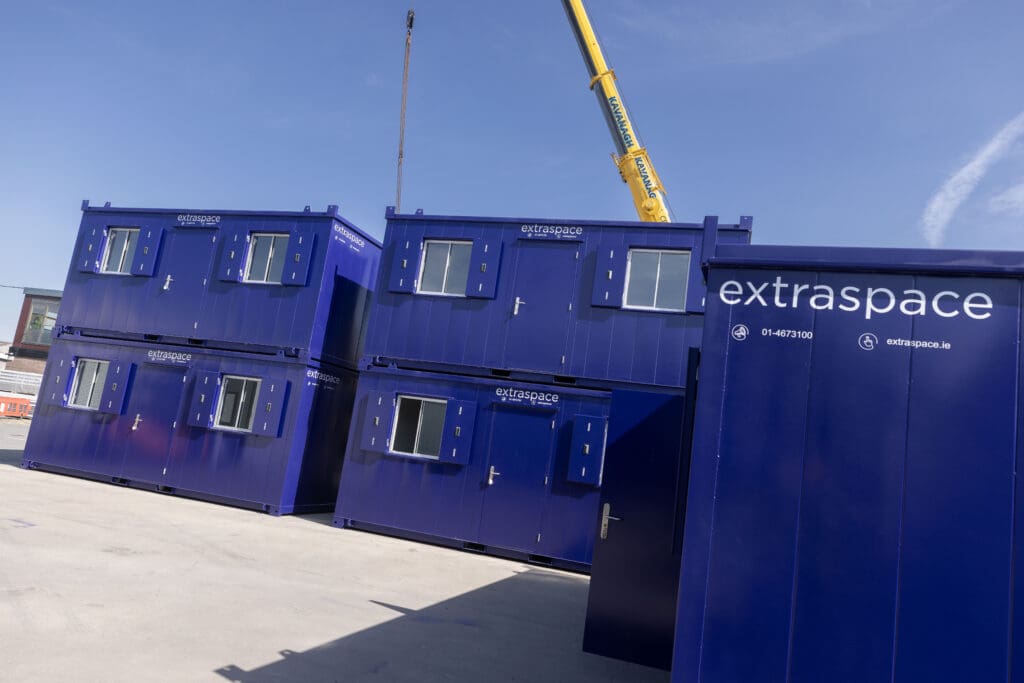
The construction industry is evolving, with modular construction emerging as a game-changer for project efficiency. Unlike traditional construction, which builds structures piece-by-piece on site, modular construction involves fabricating building modules in an off-site factory and then assembling them at the final location. This modern method can drastically accelerate project timelines and improve quality. In this article, we explore how modular construction delivers projects faster and with better efficiency than conventional building approaches, making it an attractive option for developers and builders alike.
Reduced Construction Time
One of the most significant advantages of modular building is the reduction in overall construction time. Traditional construction is sequential – groundwork must finish before structural work begins, which must finish before interior work, and so on. Modular construction allows parallel workflows. While site foundations are prepared, building modules (complete with walls, floors, wiring, and finishes) are constructed in the factory at the same time. This concurrency can cut schedules dramatically, often delivering projects 30–50% faster than site-built equivalents. Additionally, factory fabrication isn’t delayed by bad weather or other on-site interruptions. Modules are built in climate-controlled facilities, meaning rain or snow won’t halt production. The result is a compressed timeline where developers can occupy or use the building much sooner, translating to faster returns on investment.
Improved Quality & Fewer Delays
Building in a controlled factory setting also means improved quality control. Each module goes through rigorous inspections and standardized processes, which can reduce errors and rework. In traditional builds, inconsistent workmanship or unforeseen site issues can cause delays and quality problems. Modular construction’s assembly-line precision ensures each unit is built to specification with less variability. This not only speeds up the project (since things are done right the first time) but also yields a higher-quality finished product. Moreover, many potential delays in on-site construction – like coordinating multiple subcontractors or waiting for materials delivery – are minimized. Modules arrive ready to install, and the assembly process is straightforward and efficient. By eliminating many of the typical bottlenecks of a construction schedule, modular methods keep projects on track and on budget.
Cost Efficiency through Modular Building
Time is money in construction. By shortening build times and avoiding delays, modular construction often leads to cost savings. Developers save on labor costs because workers spend fewer total hours on the job. There are also savings in indirect costs: shorter construction means reduced expenses for equipment rentals, site management, and financing (since loans can be paid off sooner when a building opens earlier). Additionally, bulk purchasing of materials for factory production can lower material costs. Modular projects tend to have fewer cost overruns, as the controlled process reduces unexpected surprises. While the exact savings vary by project, the efficiency of modular building provides more certainty in both schedule and budget, which is a huge benefit for any construction project.
Less Site Disruption
Another efficiency gain with modular construction is the reduced disruption at the building site. Since a majority of construction activity happens off-site, there are fewer workers, vehicles, and equipment needed at the final location. This means less noise, dust, and interference with neighboring properties or ongoing operations. For projects in busy urban areas or operating facilities (like expanding a hospital or school), minimizing on-site activity is crucial. Modular building achieves that by shifting work to the factory. When modules are delivered, the on-site assembly is swift and efficient, often taking days or weeks instead of months. Reduced site disruption not only is considerate to the community but also means permits and logistics are easier – for example, road closures or extended site security are needed for a shorter duration. Overall, this streamlined on-site process is far more efficient and hassle-free.
Flexibility and Scalability
Efficiency isn’t just about speed; it’s also about flexibility in responding to project needs. Modular designs are highly scalable. If an owner needs to expand capacity in the future, additional modules can be manufactured and added with relative ease, much faster than constructing a new wing in the traditional way. This scalability means buildings can be adjusted as needs change, avoiding the inefficiencies of over-building upfront or undertaking lengthy renovations later. Furthermore, because modules are built to standard dimensions, they can be rearranged or even relocated. An office built modularly can be disassembled and moved to a new site if required, saving the effort of constructing a brand-new building. This flexibility ensures that the initial construction effort continues to pay off, adding long-term efficiency for the building’s lifecycle.
Conclusion:
Modular construction’s faster timelines and better process translate to greater efficiency at every stage of a project. By parallelizing work, improving quality control, cutting down on delays, and offering flexibility, modular methods streamline construction like never before. Projects can be completed in a fraction of the time with comparable or superior quality, all while keeping costs in check. As the construction sector faces pressure to build more quickly and cost-effectively, modular building provides an innovative solution. In summary, for developers and communities eager to see projects delivered on time and on budget, modular construction offers a proven path to building more efficiently.
