Modular Buildings: Versatile Solutions for Every Sector
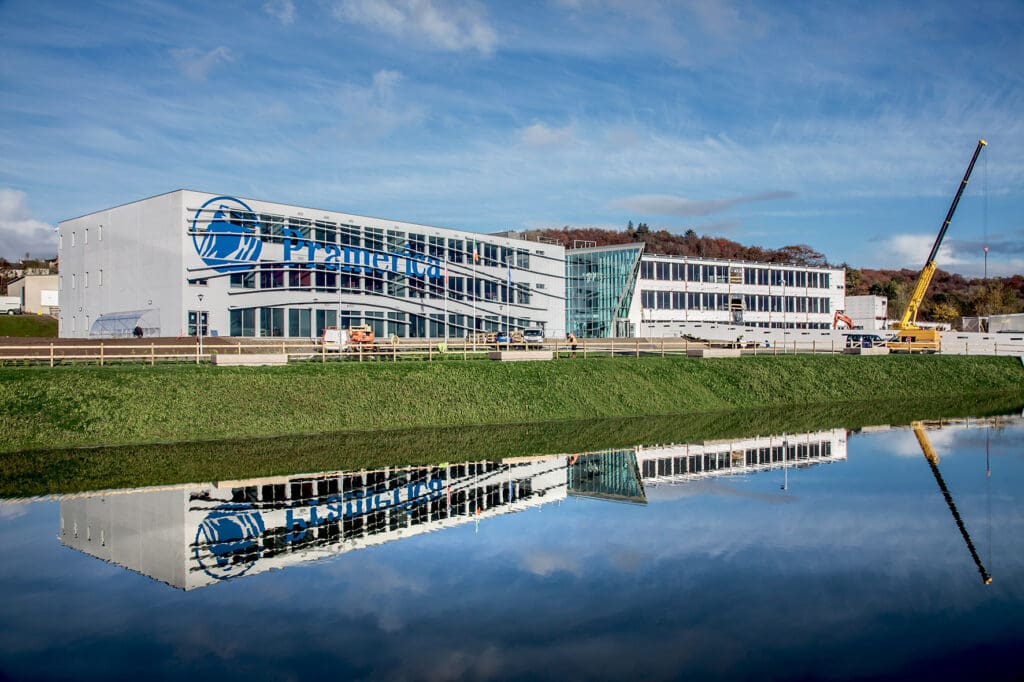
Modular building technology has advanced to the point that almost any type of facility can be constructed using factory-built modules. Once primarily associated with temporary job-site trailers, modular buildings now provide versatile solutions across many sectors – from permanent offices and classrooms to healthcare facilities. The ability to deliver high-quality structures quickly and cost-effectively makes modular construction appealing for a variety of uses. In this article, we explore several key applications of modular buildings, demonstrating how different industries and needs are being met with this flexible approach. Whether it’s a school in need of additional classrooms or a hospital requiring a new ward, modular construction offers a fast and efficient solution.
Modular Offices and Administrative Buildings
Businesses and organizations often find themselves needing additional office space on short notice – perhaps due to rapid growth or a new project in a remote location. Modular office buildings are an ideal answer. These can range from single-story field offices to multi-story permanent office complexes built from modules. Companies can order a set of modular units configured as open-plan workspaces, private offices, conference rooms, and restrooms. The modules are constructed off-site, complete with interior finishes, electrical, and plumbing, and then shipped to be assembled on the prepared foundation at the business site. For example, on a large construction project, the contractor might use modular units to create a full onsite headquarters with offices, meeting rooms, and even break areas for staff. In a commercial context, a growing company could add a modular wing to its existing building to house new employees without waiting a year for a conventional build-out. These modular offices are built to the same building codes and quality standards as traditional construction, so employees often cannot tell the difference once inside – except that the space was ready in a fraction of the time. The flexibility of modular design also means the office can be expanded later by adding more modules, or even relocated if needed, offering unmatched adaptability for administrative spaces.
Welfare Facilities (Canteens, Mess Halls & Toilets)
On construction sites, in industrial complexes, or even at large outdoor events, providing proper welfare facilities for people is essential. Modular construction shines in creating welfare units that can include canteens (dining areas), mess halls, locker rooms, and toilet/shower blocks. In fact, there’s a term “Canteen, Mess, and Toilet (CMT) blocks” commonly used for such setups. These units are vital for worker comfort and compliance with health regulations, especially on remote sites or temporary project locations. Instead of building these facilities from scratch (which would be time-consuming and impractical for short-term needs), companies deploy modular welfare blocks. A typical setup might involve a series of modules: one housing a kitchen and serving area, another with a dining hall filled with tables and chairs, and additional modules containing washrooms and shower facilities. All of these modules are designed for heavy-duty use, with easy-to-clean surfaces and robust fixtures suitable for large groups. Modular CMT blocks can be delivered to a site ready-to-use, often just needing connection to water and power. This means a construction camp or a field operation can become fully functional in days. Moreover, these welfare modules are not exclusive to temporary sites – schools or factories undergoing renovations also rent modular toilet and locker-room units to serve their people during construction. The big advantage is that once the need is over, the modules can be removed with minimal impact on the site. They can then be refurbished and used again elsewhere, aligning with both practical needs and sustainability goals.
Modular Classrooms and Educational Buildings
Schools and universities frequently face fluctuating enrollment or the need for specialized spaces, and modular construction has become a go-to solution for educational facilities. Modular classrooms can be added to a campus quickly to alleviate overcrowding. For example, if a school district experiences a sudden increase in students, they can order a set of modular classrooms over the summer and have them ready by the start of the new school year – a timeline traditional construction could never match. These aren’t bare-bones trailers; modern modular classrooms are fully equipped with heating/cooling systems, insulation, ample lighting, and technology provisions to create a comfortable learning environment. They can be standalone single-classroom buildings or combined into larger complexes with hallways connecting multiple rooms. In addition, educational institutions are using modular construction for other needs like libraries, science labs, or dormitories. A key area of growth is in SEN classrooms – specialized classrooms for Special Educational Needs. These spaces often require custom layouts or sensory-friendly designs. Modular construction is particularly suited for customization, as each module is designed with specific requirements in mind. Schools have worked with modular builders to create SEN classrooms with features like acoustic insulation for noise reduction, soft lighting, and wheelchair-accessible restrooms – all delivered ready to use. The ability to precisely tailor each module in the factory means the final building meets the school’s needs exactly, without lengthy on-site alterations. Once installed, modular educational buildings are virtually indistinguishable from their traditionally-built counterparts and are built to last for decades, providing a quick solution that doesn’t compromise on quality or longevity.
Healthcare Facilities and Ward Accommodation
Healthcare demands are often urgent – a community might need additional patient rooms or clinics as soon as possible, and modular construction can answer that call. Hospitals have started using modular ward accommodation to expand capacity rapidly. For instance, a hospital that finds itself short on beds can add a modular ward unit adjacent to its existing building, complete with patient rooms, nurses’ stations, and equipment areas. These modular wards are built to strict healthcare standards, including provisions for medical gases, sanitary finishes, and accessibility. During public health crises or emergencies (such as a pandemic or natural disaster), modular healthcare units can even be deployed as urgent-response field hospitals or testing labs. The beauty of modular in healthcare is speed and scalability: a set of modular units can create an entire hospital wing much faster than building new construction, ensuring patients get the care they need sooner. Beyond hospitals, modular medical clinics and offices are also common. Rural or underserved areas might receive a modular clinic that provides examination rooms and telemedicine facilities. Because these structures are built off-site, there’s less disruption to the ongoing operations of a hospital or clinic when expanding. In many cases, the new modular wing is delivered and installed with minimal interference to the day-to-day running of the healthcare facility. This is crucial in environments where construction noise or shutdowns could literally impact patient health. Once in place, patients and healthcare workers experience the same quality environment they would expect from any modern hospital – quiet, well-insulated rooms, proper ventilation, and sturdy construction – all achieved through the efficiency of modular building methods.
Beyond Temporary: Long-Term Use and Quality
It’s worth noting that while modular buildings can serve temporary needs brilliantly, they are increasingly used for long-term, permanent structures as well. Advances in design mean modular units can be clad with attractive facades, configured in multiple stories, and built to blend with existing architecture. For example, entire apartment blocks and hotels have been built modularly, where each apartment or room is a module. In the context of offices, schools, and hospitals mentioned above, the modular approach doesn’t limit the lifespan or durability of the building. A modular classroom building can serve a school for decades; a modular office can become a permanent satellite office for a company. The versatility comes from the fact that modules are made with steel frames and other robust materials comparable to conventional buildings. They are engineered for structural integrity, even when moved or lifted by cranes. This means sectors from commercial to residential are embracing modular not just for stopgap solutions, but as a primary method of construction. The examples above – offices, welfare facilities, classrooms, wards – illustrate the breadth of applications. In each case, the motivation to go modular is driven by the need for speed, flexibility, and quality. These buildings can be delivered and operational in a fraction of the time, whether the use is meant to be five years or fifty. With such adaptability, it’s clear why many industries are turning to modular buildings to solve space challenges efficiently.
Conclusion:
Modular buildings have proven their worth across diverse sectors, providing quick and effective solutions without sacrificing quality. From corporate offices to school classrooms and medical facilities, the case studies and examples in each category show a common theme: when time is short or flexibility is paramount, modular construction rises to the occasion. It enables schools to respond to growth, businesses to seize opportunities, and healthcare providers to extend care – all on accelerated timelines. The versatility to serve both temporary and permanent needs means modular construction is not just a niche option but a mainstream solution for the modern built environment. As technology and techniques continue to improve, we can expect even more creative and impactful uses for modular buildings in every corner of our communities.
